Transform Your Home With Experienced Architectural Design Support
Enhancing a home through expert architectural solutions involves more than just aesthetics. It demands a deep comprehension of practical design principles and regional construction regulations. Working with an seasoned architectural professional can resolve typical obstacles while enhancing property value. The process is systematic and comprehensive, guaranteeing that every detail corresponds with the homeowner's goals. Yet, many homeowners struggle to navigate this journey successfully. What steps can they take to secure a successful collaboration?
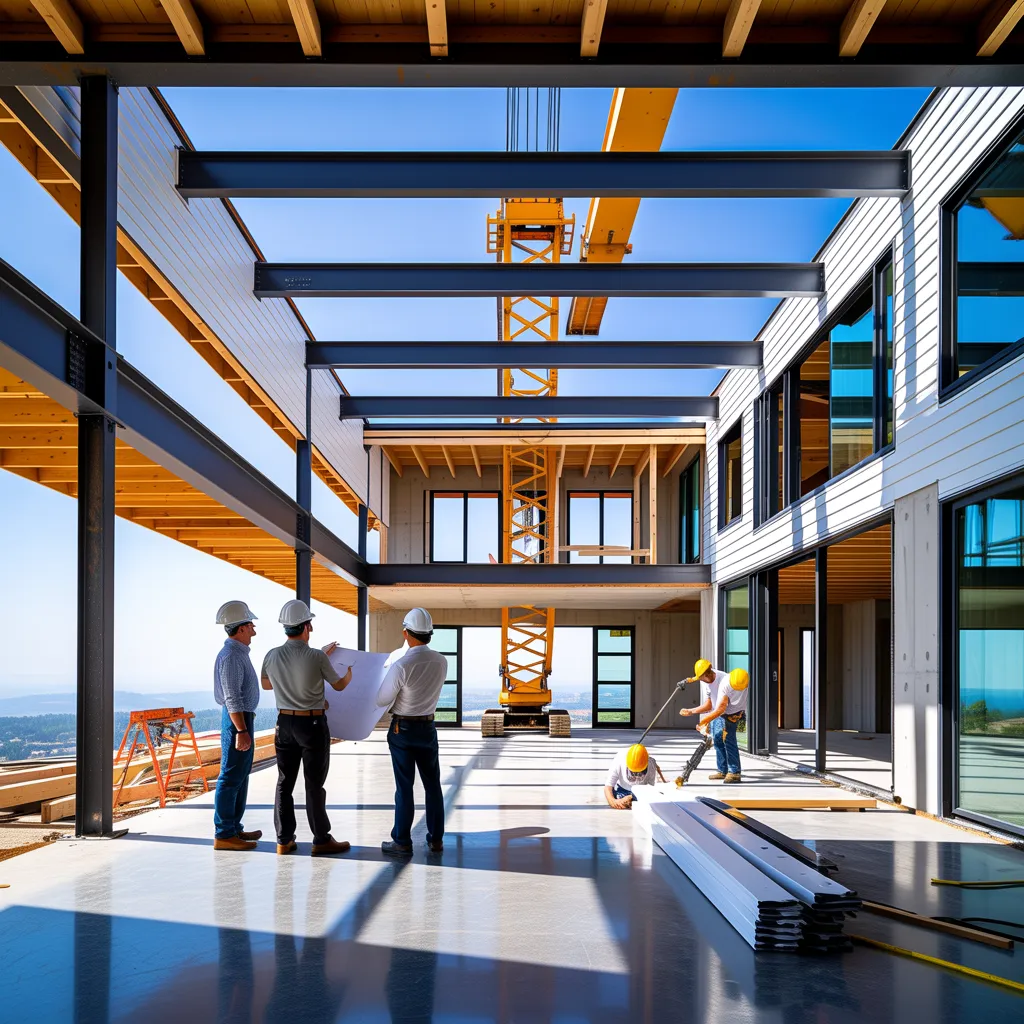
Standard Home Design Snags and Strategies Architects Resolve Them
Why is home design so taxing for numerous homeowners? The challenge of aligning design preferences with practical needs often overwhelms them. Homeowners routinely deal with space limitations, budget restrictions, and compliance requirements, making the design process difficult. Additionally, many are short of the technical knowledge required to tackle structural issues and building codes.
Architects execute an essential role in relieving these complications. Their instruction prepares them to work through the intricacies of design, ensuring that a homeowner's vision aligns with realistic realities. Architects can provide innovative solutions to optimize space while adhering to safety standards. They also assist in producing cohesive designs that reflect the occupant's manner. By communicating understanding into substances and building methods, architects support expedite the decision-making process. Ultimately, their expertise transforms a seemingly daunting endeavor into a cooperative undertaking, fostering a well-balanced balance between creativity and practicality in residential planning.
Reasons to Work With a Professional Architect
Engaging a trained specialist improves the residential design journey by merging professional insight with the client's aspirations. Architects deliver a rich background in design methodologies, regulatory requirements, and sustainability practices, ensuring that the endeavor not only achieves visual objectives but also adheres to regulations. Their skill in picturing and express elaborate concepts supports converting conceptual ideas into tangible designs.
Furthermore, architects can offer creative approaches to spatial challenges, improving layout and functionality. They also manage the complexities of the construction process, coordinating with contractors and suppliers to ensure timelines and budgets are maintained. This expert supervision reduces possible mistakes and decreases the stress associated with home building or renovation. Ultimately, collaborating with an architect results in a well-designed, cohesive space that reflects the homeowner's personality while enhancing overall property value.
What Are the Critical Stages in the Architectural Process?
In what way does the design process progress from initial idea to completion? The path begins with an first meeting, where the architect and customer explore goals, requirements, and budget. This stage is critical for setting up a clear vision. Next, the architect conducts site analysis, evaluating considerations like terrain, environmental conditions, and zoning regulations.
Subsequently, the design work commences. At this stage, visual sketches and computer models are fashioned, allowing the client to visualize the project. Once the design is established, the architect drafts detailed construction documents, containing specifications and drawings.
After securing required permits, the project moves into the construction phase. The architect frequently collaborates with contractors to guarantee that the design is implemented correctly. Frequent on-site inspections and evaluations help preserve standards and compliance to the original vision. Finally, the project culminates in a walkthrough, verifying that the finished structure satisfies the client's expectations before the official transfer.
How Do You Find the Ideal Architect for Your Home?
Locating the ideal designer for a residence requires careful evaluation and investigation. Prospective property buyers should start by establishing their specific needs and budget, which will guide their search. Recommendations from friends, family, or real estate experts can offer valuable leads. Online portfolios and testimonials help in assessing an architect's previous work and client contentment.
Next, prospective parties should engage multiple candidates to measure their communication style, expertise, and strategy for design. It's critical to discuss project parameters and timeline expectations to establish alignment. Additionally, verifying qualifications and verifying appropriate certifications and licenses can circumvent future complications.
Finally, property owners should trust their gut feelings. The ideal architect should not only possess the necessary skills but also resonate with the homeowner's goals and values. This collaboration creates a collaborative environment, eventually leading to a fruitful collaboration in building a ideal residence.
Techniques to Relay Your Direction Powerfully
Transmitting a vision for interior design effectively is essential for a successful partnership between property owners and design consultants. To achieve this, property owners should start by clearly defining their requirements and selections. Assembling a mood board with images, pigments, and materials can help conveying visual desires. Additionally, outlining practical requirements, such as space allocation and spatial arrangement, ensures that the specialist understands operational components.
Home owners should also take part in open dialogue, encouraging inquiries and input to enhance their vision. Regular check-ins during the design process promote teamwork and openness. Using clear expression to express ideas and concerns can avert confusion and help match expectations.
Finally, remaining open to the architect's expertise enables a more vibrant dialogue. By merging personal vision with professional insight, homeowners can facilitate a constructive relationship that leads to a beautifully designed space showcasing their aspirations.
Methods to Allocate funds for Architecture Services
During the initiation of a home design project, fixing a budget for architecture services is crucial to avoid monetary difficulty later. Homeowners should begin by investigating typical fees in their area, which can vary based on the project's complexity and the architect's experience. It is prudent to allocate a percentage of the overall project cost specifically for architectural services, typically ranging from 5% to 15%.
Next, buyers should evaluate the extent of services essential—whether they need total design and project administration or just preliminary meetings. Discussing openly with potential architects about their billing practices can elucidate costs.
Additionally, homeowners should account for unexpected expenses and potential revisions, building a buffer into the budget. By clearly defining their financial parameters upfront, customers can guarantee they pick an architect who reflects their objectives while adhering to their budget constraints.
Frequently Asked Questions
What Options of Architectural Could I Pick for My Home?
Homeowners have the ability to pick from many different design approaches, such as modern, traditional, colonial, Mediterranean, and contemporary. Each style presents distinctive aesthetics and functionality, enabling individuals to reflect personal taste while considering regional influences and environmental factors.
How Much Time Does the Structural Design Process Typically Consume?
The design undertaking typically requires numerous months, based on project complexity, design approvals, and local regulations. Considerations such as client feedback and construction schedules can also determine the schedule markedly during the entire process.
Can Design professionals Assist With Eco-friendly Design Choices?
Architects can absolutely support with sustainable design options. They include eco-friendly materials, efficient energy systems, and creative floor plans, guaranteeing projects minimize environmental impact while maximizing functionality and aesthetic appeal, matching with clients' sustainability goals effectively.
What Credentials Would I Seek When Finding an Building Designer?
When picking an architect, one should assess their education, licensure, background with comparable projects, body of work reflecting their design philosophy, access now and understanding of local regulations. Communication skills and client testimonials also contribute significantly in the choosing process.
How Do Design Specialists Address Zoning and Permit Difficulties?
Architects navigate regulatory challenges by performing comprehensive analysis on local regulations, preparing necessary documentation, and communicating to municipal authorities. Their expertise guarantees adherence, expediting the approval process for client projects efficiently.